


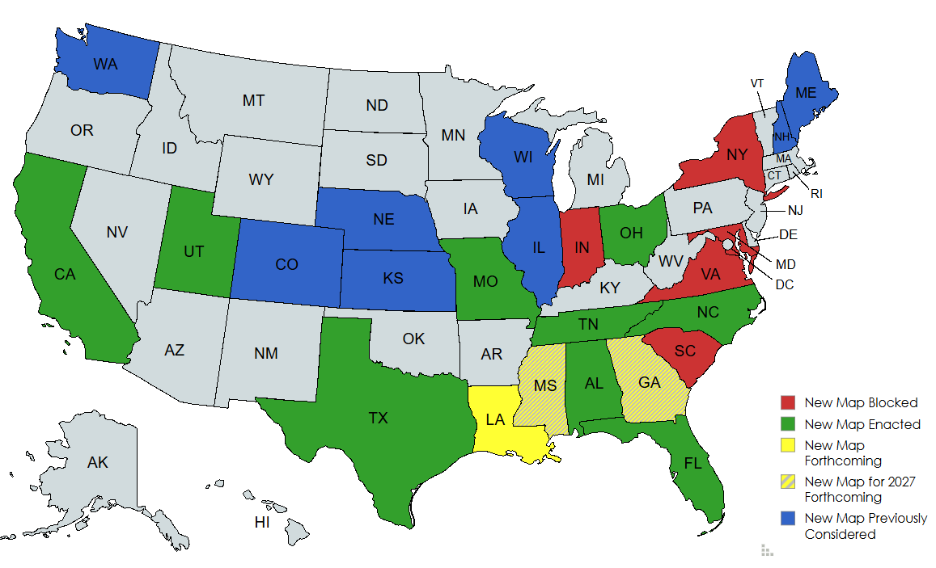
Welcome back to Redistricting Watch, where we break down exactly what’s happening inside statehouses across the country as state legislators redraw electoral districts and work to consolidate power outside of the normal redistricting cycle.
Since the Supreme Court’s April 29 ruling in Louisiana v. Callais, a case concerning the constitutionality of Louisiana’s congressional map and the rights of Black voters across the country to access fair representation in elections, a lot has changed.
The Callais decision struck down Louisiana’s map that gave historic representation to Black Louisianians by providing two majority-Black districts. These districts gave Black voters and other voters of color the opportunity to elect candidates of their choice. Furthermore, the court’s decision eviscerated one of the country’s most sacred civil rights protections, Section 2 of the Voting Rights Act (VRA).
The ruling was a devastating blow, as it now permits states to use partisan gerrymandering as a wholesale excuse to deny Black voters a voice in their government. In other words, under the Supreme Court’s new view of Section 2, a state can, without legal consequence, systematically dilute minority citizens’ voting power. And now, in Callais’ wake, we are already witnessing fair districts across the country vanish as legislatures aim to gut representation for voters of color without checkpoints from the courts.
Need a refresher on why congressional redistricting is so important to our daily lives? Here’s a quick catch-up.
Redistricting is the process by which state legislatures or other redistricting bodies redraw the boundaries of electoral districts. Redistricting typically coincides with the release of the U.S. census results, which occurs every 10 years at the beginning of each decade. But, right now, some state legislatures are redrawing congressional maps mid-decade — an unusual occurrence. This is called off-cycle redistricting, and it is not normal.
What’s troubling about the off-cycle redistricting happening right now is that legislators are sometimes using the pretext of partisanship to lock in power at the expense of Black voters and other voters of color, which the Constitution forbids. Politicians should not be selecting voters. Voters should choose politicians.
Rules about how voting maps are drawn can impact every part of your life. When courts rule in favor of fair maps, fair access and representation become the standard. Fair maps mean having a say in lower prices at the store, better schools, safer streets, accessible health care, and so much more.
LDF is closely tracking additional redistricting developments as legislatures draw, defend, and enact new maps that will affect Black communities in countless ways. Below are state-by-state redistricting updates since our last issue of Redistricting Watch, published on May 8.
Alabama: 2023 DISCRIMINATORY MAP IN PLACE FOR DELAYED ELECTIONS
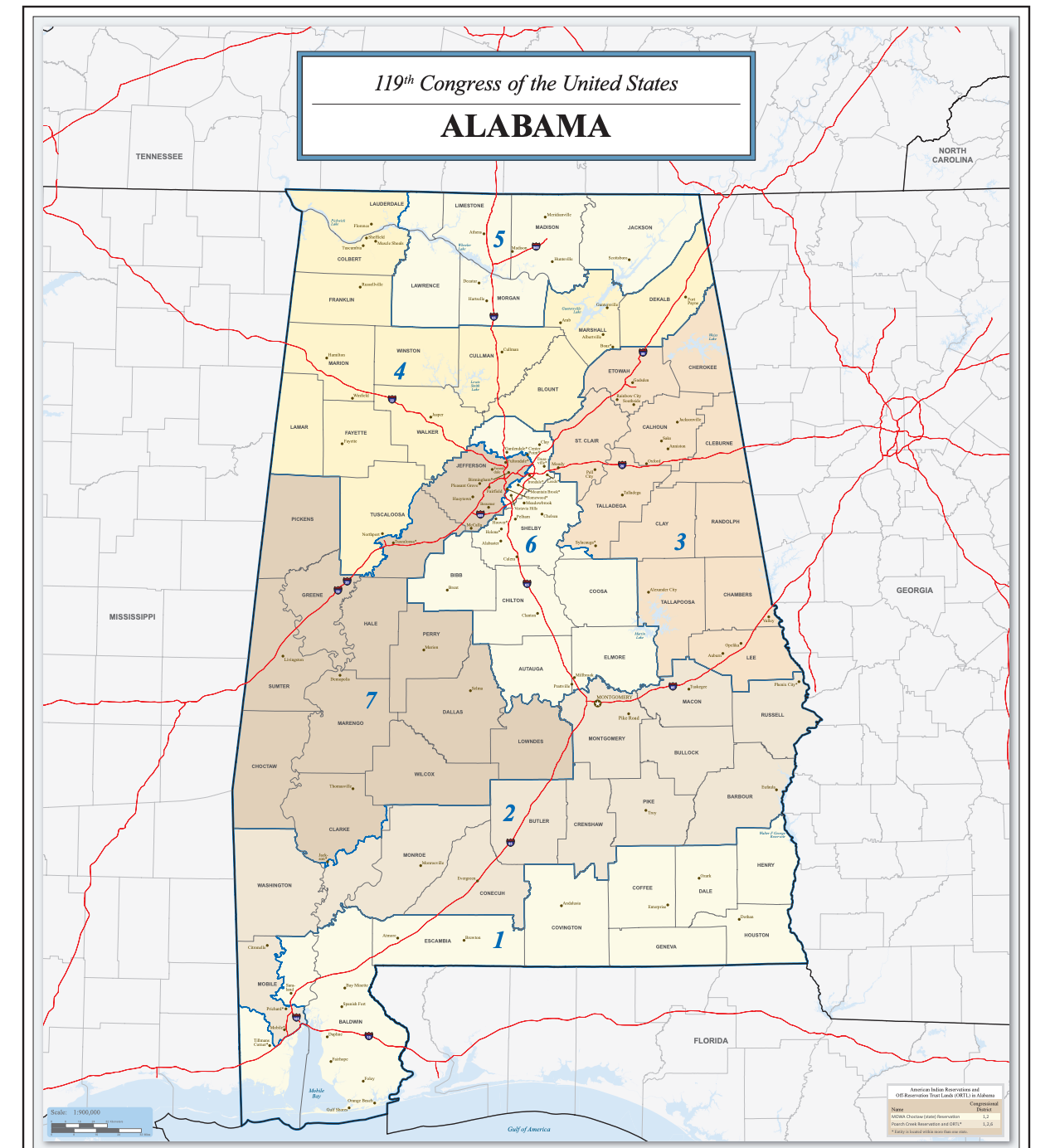
On May 11, the U.S. Supreme Court vacated Alabama’s current court-ordered congressional map, even though voting had already begun in the state’s May 19 primary election.
This decision cleared the way for Alabama to reinstate a 2023 map that a district court previously ruled was unconstitutional and intentionally discriminatory. Because of a measure approved by the Alabama state legislature on May 8, the governor was able to reschedule the primary elections for four districts.
Several civil rights groups have already challenged the enactment of the 2023 map, seeking to block voting under the discriminatory plan.
Alabama’s map has seven congressional districts.
Over 1.3 million Black people reside in Alabama.
South Carolina: NEW MAP BLOCKED BY LEGISLATURE FOR NOW
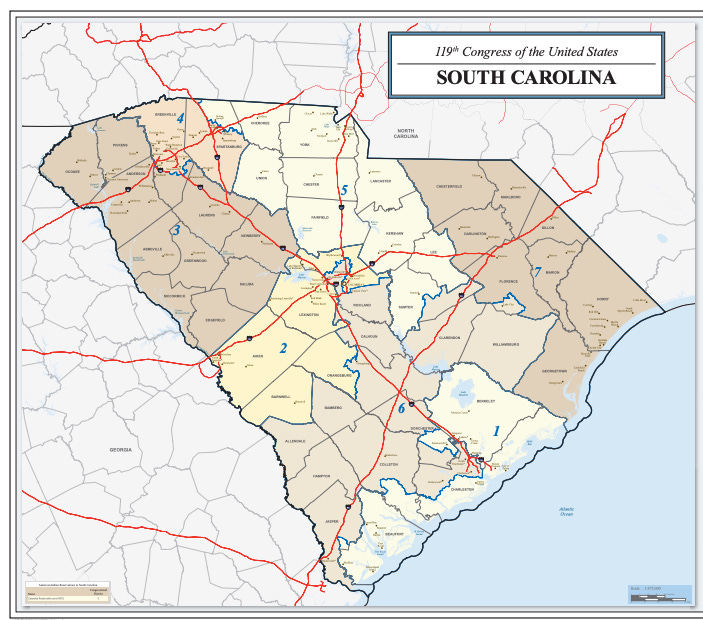
In a redistricting twist this week, South Carolina lawmakers blocked a proposal to extend the state’s regular legislative session in order to take up redistricting plans.
However, South Carolina’s governor is likely to order a special legislative session, which would give lawmakers time to solely consider redistricting plans for the state’s congressional districts.
The state’s most recently proposed redistricting plan appears to target its only historically Black district, represented by long-serving Representative James Clyburn.
Early voting for South Carolina’s primary elections begins on May 26.
South Carolina’s current map has seven congressional districts.
Over 1.4 million Black people reside in South Carolina, over 25% of the state’s population.
Louisiana: NEW MAP PASSED STATE SENATE
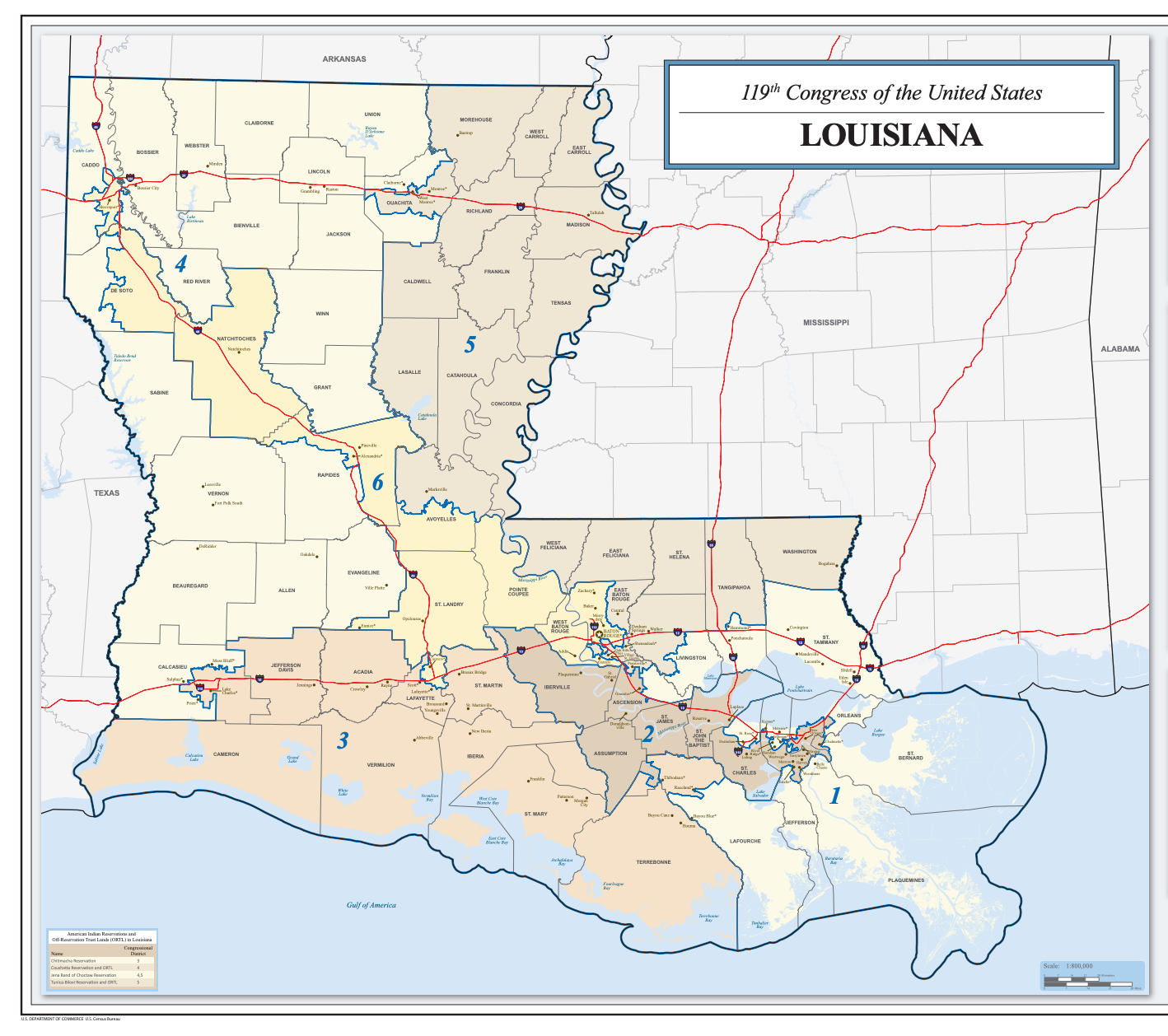
A new map that eliminates a majority-Black congressional district passed out of the Louisiana State Senate on May 14.
This map is similar to Louisiana’s 2022 voting map, which was found to violate the Voting Rights Act.
Through an April 30 executive order, Louisiana’s governor and secretary of state suspended Louisiana’s primary election for the U.S. House of Representatives until the legislature can draw a new map, even though thousands of ballots have already been returned. Several civil rights organizations have challenged the executive order in state and federal courts.
The Callais ruling struck down Louisiana’s previous congressional map.
Louisiana’s current map has six congressional districts.
Over 1.4 million Black people reside in Louisiana, nearly one-third of the state’s population.
Virginia: BLOCKED MAP APPEALED TO U.S. SUPREME COURT
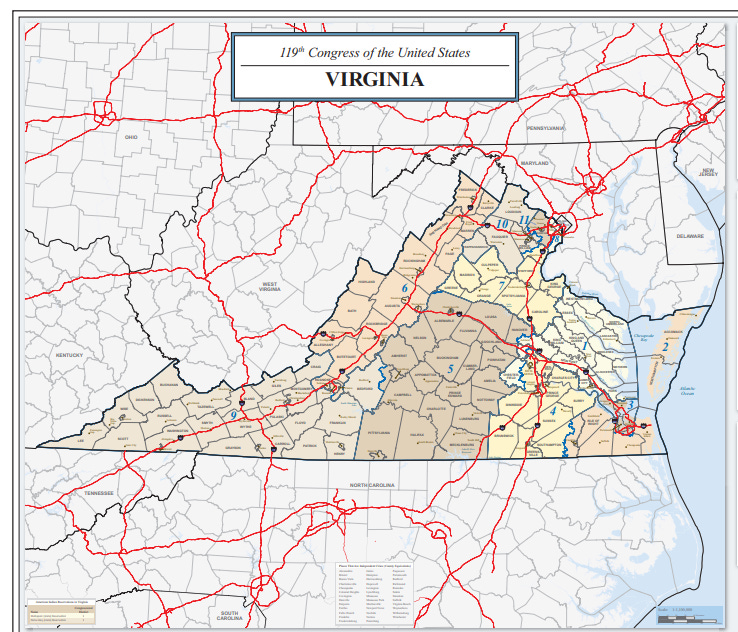
Virginia voters approved the state legislature’s redistricting plan in an April special election. However, the Virginia Supreme Court struck down the voter-approved map on May 8 based on a procedural technicality — not anything to do with the map’s composition. Now, proponents of the new Virginia map have appealed the decision to the U.S. Supreme Court.
Recently, the FBI raided the office of Virginia lawmaker Louise Lucas, who was a chief proponent of the state’s redistricting plan. The FBI has yet to announce any impending charges or details related to what prompted the investigation.
Virginia’s current map has 11 congressional districts.
Over 1.7 million Black people reside in Virginia, making up 20% of the population.
Georgia: NEW MAP COMING FOR 2028 ELECTIONS
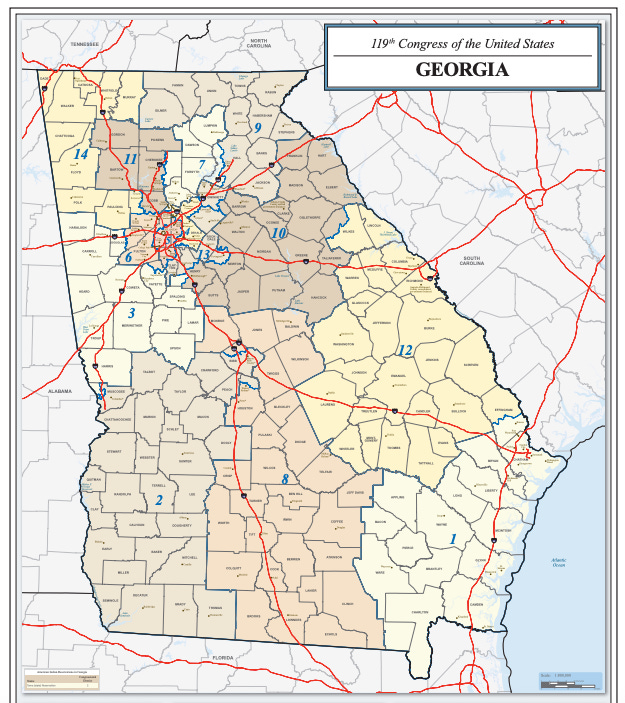
Georgia’s governor officially ordered a special legislative session to begin on June 17 to address redistricting plans for the state’s congressional map.
Notably, the special session will focus on redistricting plans for the 2028 elections, which will not affect the maps currently in use for the 2026 midterms.
Georgia’s current map has 14 congressional districts.
Over 3.7 million Black people reside in Georgia, around one-third of the state’s population.
Mississippi: NEW MAP COMING FOR 2027 ELECTIONS
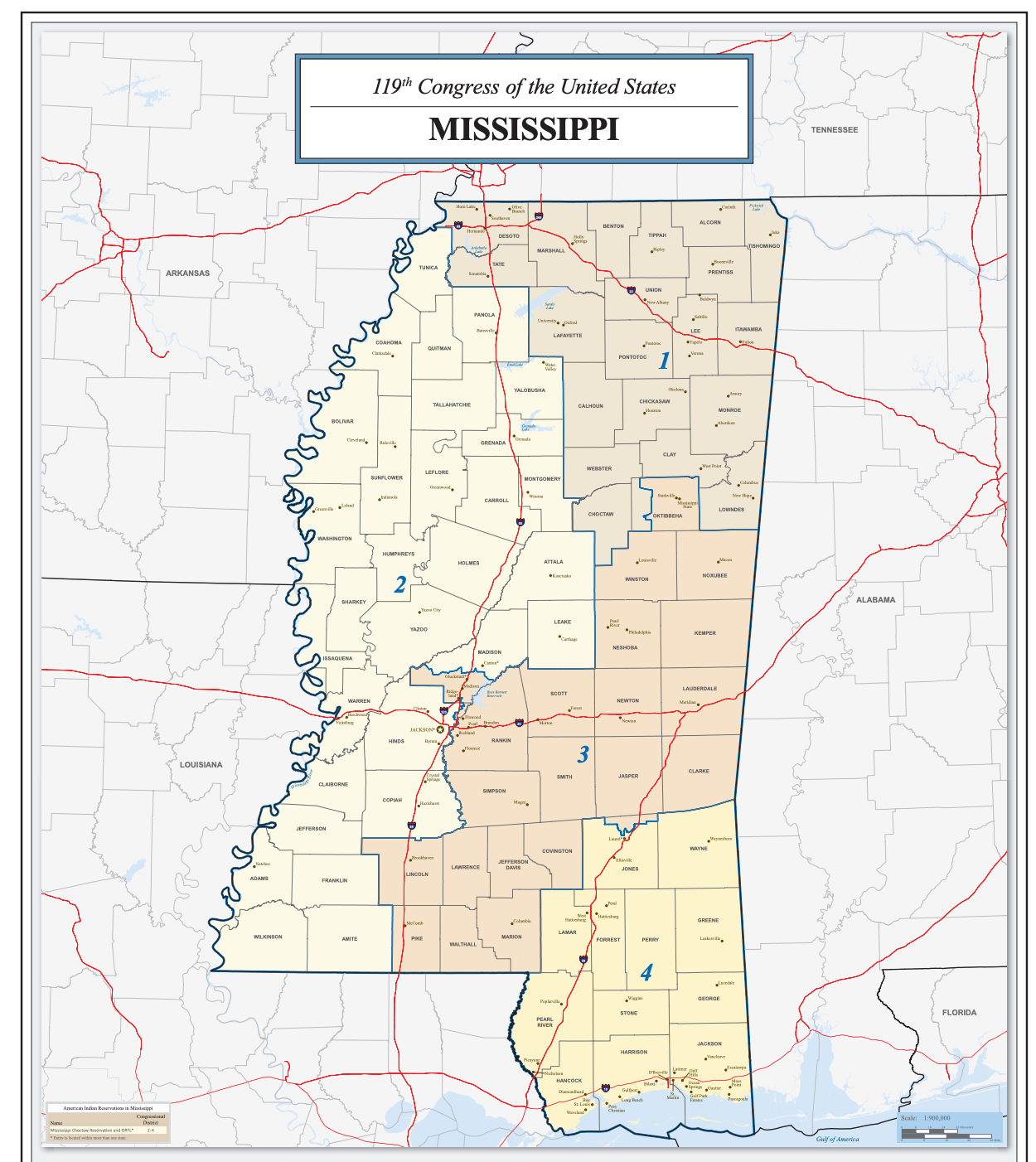
Mississippi canceled a special legislative session scheduled to begin on May 20 to address redistricting plans. State officials have announced they will redistrict in 2027, after the midterm elections
Mississippi’s primary elections concluded two months before the Callais decision, in March.
Mississippi’s current map has four congressional districts.
Over 1.1 million Black people reside in Mississippi, over one-third of the state’s population.
Keep an Eye On:
In FLORIDA and TENNESSEE, civil and voting rights groups have already filed court challenges to the newly enacted discriminatory maps. A hearing will take place on May 20 regarding the Tennessee map to determine whether a temporary order will be issued to block it ahead of the midterm elections. And a hearing will take place in Florida on May 15, consolidating three separate challenges that aim to block, at least temporarily, the Florida map from use in the summer’s primary elections.
How Can You Get Involved
As these redistricting updates demonstrate, state legislatures are already rapidly moving to pass discriminatory maps post-Callais, so it’s more critical than ever to protect voting rights. The Supreme Court’s sustained attack on the VRA demands that we stand together to defend the right to vote, build community power, and continue the work generations before us began.
Ahead of any election, you should: make sure you’re registered to vote; create a voting plan with friends and family, find your polling place, know what forms of ID are required at the polls in your state; vote early, if you’re able; and research what’s on your ballot. There are local, state, and federal elections happening across the country.
And if you’re interested in getting more involved, you can sign up to become an Election Worker or a nonpartisan volunteer; encourage your workplace to make Election Day a paid holiday; or organize child care for your community so everyone can vote.
And remember to save and share the number for the National Election Protection Hotline (866-OUR-VOTE). You can call the hotline with voting questions or to report issues with voting access.
Previous Updates
All states featured here have undergone redistricting updates since our May 8 issue of Redistricting Watch. For information from previous issues, please check out the Redistricting Watch tab on LDF’s Substack page.
On the Horizon
LDF will continue to track updates as other states hurry through redistricting efforts. Lawmakers are discussing holding special legislative sessions to determine the future of their congressional maps or proposing redistricting measures during current state legislative sessions.
Follow along in the next issue of Redistricting Watch as we update you on redistricting as it happens. In the meantime, for more information about redistricting, please visit LDF’s Redistricting page.
 | A guest post by
|