

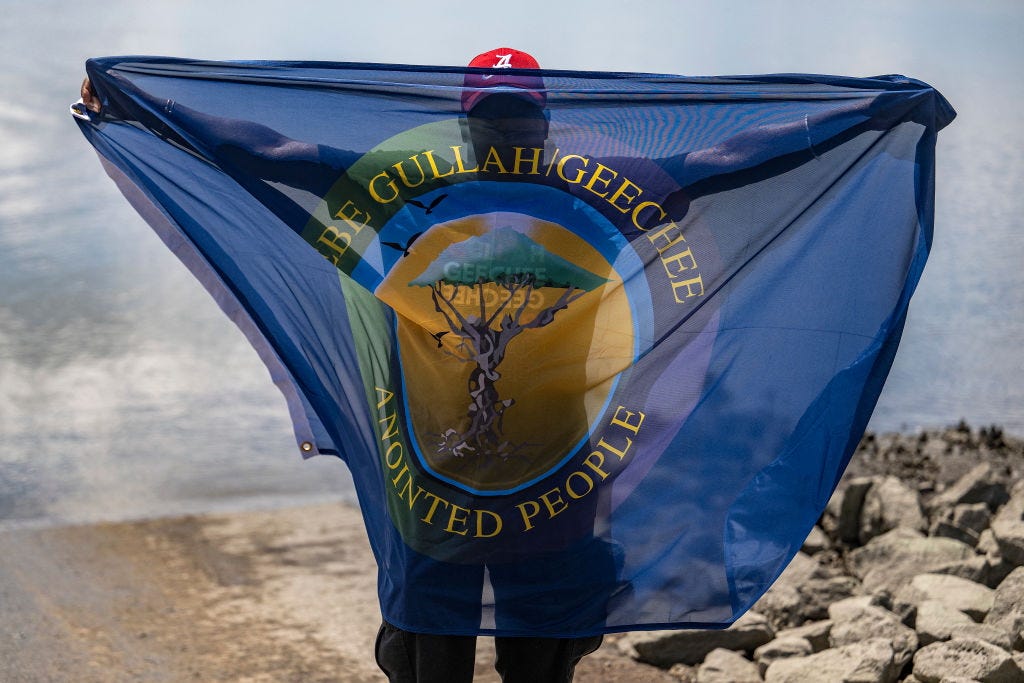
IN BRIEF: Hilton Head Island, South Carolina, is a major resort destination in the United States. Gated and private communities (some still named plantations), over two dozen golf courses, and beachfront properties designed to attract affluent tourists or people looking to relocate dominate the economy and the land. While economic growth is important for any town’s sustainability, it cannot justify ignoring deep land use, economic development, and other community needs. As tourism and catering to other well-resourced people continue to dominate the island’s resources, issues related to cultural heritage, land ownership, and displacement are of particular concern.
As Hilton Head plans for its future, the policies and practices governing land use, zoning, and development on the island are currently under review.
A 21-person task force was established to consider Hilton Head’s Land Management Ordinance — which creates the rules for zoning, land use, and development patterns — and prepare recommendations to guide future growth and development. But there’s a major issue. The Gullah Geechee community, composed of Hilton Head’s oldest property owners and longtime residents, is largely impacted by any such recommendations. But they aren’t being meaningfully included in the conversation, with only three Gullah Geechee representatives on the task force.
WHY IT MATTERS: The Gullah Geechee people are descendants of West and Central African people who were forcibly brought to America to work on coastal rice, Sea Island cotton, and indigo plantations. Despite centuries of enslavement, Gullah community members established thriving settlements along the coast after emancipation by the late 1860s.
Although they once made up a majority of the population, the Gullah people now comprise approximately 7% of the island’s inhabitants. The steep decline of the Gullah Geechee community is the result, among other factors, of decades of displacement, driven by highway and airport expansion, tax and partition sales that stripped families of their land and homes, as well as predatory legal tactics and lawsuits.
Participation in the land management process is especially important, as land use decisions determine how residents can use their property and, for Gullah Geechee communities, those limits can have real economic consequences, including by restricting income-generating uses.
Tai Scott, a prominent Hilton Head Island business owner and community activist, makes this point clear in a March 26 Legal Defense Fund (LDF) statement: “Our neighbors are once again making decisions for historic Native Islanders without fully including them. Protecting our land means protecting our culture, right to exist on the island, and economic opportunity. We need the task force to work with the Gullah community ... ”
LDF AT WORK: On March 26, LDF announced a series of investigative letters probing Hilton Head’s land management ordinance review process.
Across four letters summitted to the task force to date, LDF requested written responses to over a dozen questions related to concerns that Gullah Geechee communities are not being meaningfully included in decisions that directly impact their land, culture, and future. As of March 26, LDF has received only one response from the city, which failed to address previously raised questions. LDF will continue to monitor the task force and its public meetings, scheduled through June 2026. After the task force makes its recommendations, other local bodies in Hilton Head will consider them, and then they will ultimately be reviewed by the town council.
LDF’s letters to Hilton Head Island Land Management Ordinance Task Force can be found here: