


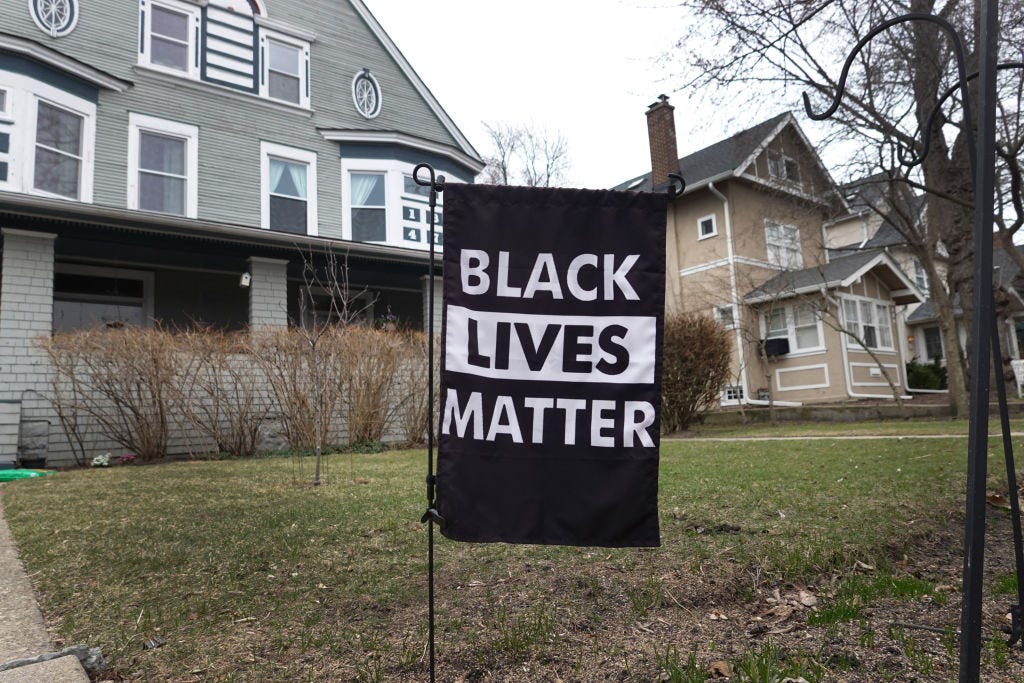
IN BRIEF: The Justice Department intervened in a lawsuit on June 16 challenging the city of Evanston, Illinois’ reparations program. This program works to repair the harm caused by housing discrimination against Black people who resided in Evanston from 1919 through 1969. The Justice Department alleges that the program violates the Equal Protection Clause of the 14th Amendment and the Fair Housing Act.
But that’s not the case — the Evanston program doesn’t discriminate against non-Black residents. Rather, it seeks to address the massive harms caused by past housing policies that maliciously and specifically targeted Black people.
Since 2021, the Evanston Restorative Housing Program has provided relief for Black people and their descendants who suffered under intentionally discriminatory housing policies, such as redlining and racial covenants. These policies were designed to starve Black people of wealth and opportunity. The program compensates Black residents for harms their local government inflicted on them or their ancestors by providing funds to support opportunities that ensure their financial future, such as a down payment on a new home or repairs to their current residence.
This program is the latest instance in a long history of communities in the United States and globally where groups rightfully receive payment for past harms, from Japanese Americans who were wrongfully interned during World War II to Italian immigrants who were lynched in Louisiana.
The Supreme Court has repeatedly said governments may remedy specific, identified instances of racial discrimination through race-based means. Reparations programs seek to repair generations of intentional government-supported actions that harmed Black people, from bondage and forced labor to lynchings, redlining, intentional disinvestment, mass incarceration, urban renewal, and educational inequity.
WHY IT MATTERS: Black communities were constantly barred from opportunities to improve their economic outcomes through intentional policies. The effects of these racist policies are not forgotten history — they’re still deeply felt within Black homes today.
The racial wealth gap in the United States is still growing. According to a recent study from Duke University, in the most recent years where household wealth data is available, “the mean gap in net worth between Black and white households grew from $841,900 to $1.15 million — a 38% increase that far outpaced inflation during the same period.” The authors of the study determined that, more so than other factors like education or earnings gaps, racist policies in the United States are the driving force behind the increasing wealth gap and the inability of many Black households to accrue wealth across generations.
Race-based discrimination also hurts the larger economy overall, causing widespread negative impacts across employment, housing, and business ownership. Taking steps to rectify these harms will not only address the effects of past evils but also greatly benefit the economic system that everyone relies on to make a living.
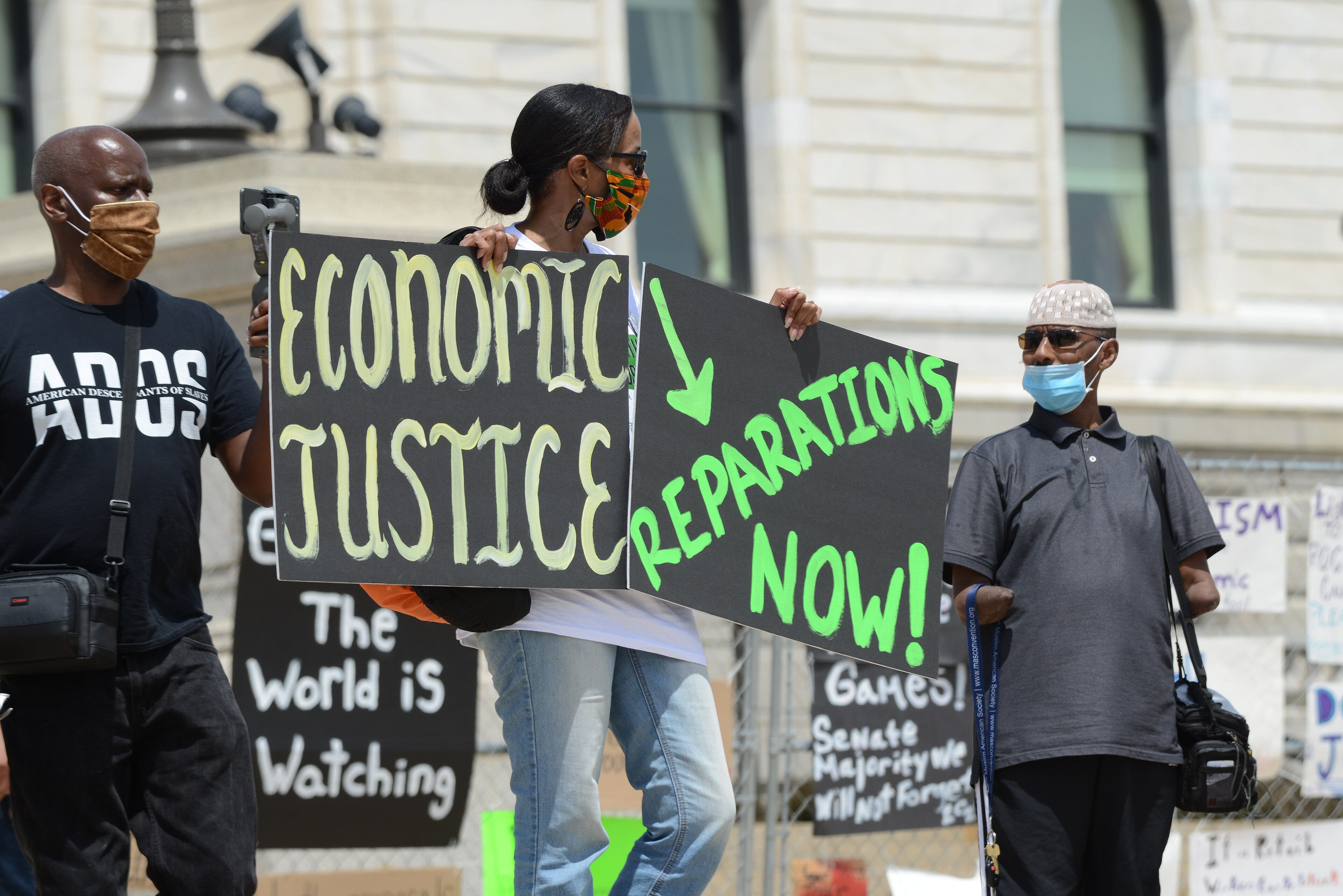
“Racism is real, and governments have an undeniable responsibility to correct past harms they caused,” said Demetria McCain, Director of Policy at the Legal Defense Fund (LDF). “In order to build thriving economies, communities, and a resilient multiracial democracy, we must break down barriers and rebuild opportunities for Black communities. Reparations programs provide increased access and resources for Black people, which benefits all other communities down the line. LDF stands with Evanston in its fight to ensure Black residents can restore the wealth that has been extracted from and denied to them for generations.”
The United Nations’ current set of reparations guidelines instructs governments to provide for restitution, compensation, rehabilitation, and a guarantee that harmful programs will never be repeated. Restorative justice programs like reparations that follow these guidelines can be incredibly successful.
For decades, Black communities in Evanston were denied the fundamental promise of the United States: a free pursuit of a better life. LDF will continue to support efforts to restore the wealth and justice that were stolen for generations from Black people. And LDF will stand firm with Evanston in opposing efforts to challenge these programs based on flawed interpretations of our federal laws.
Learn more about LDF’s support of reparations programs here.
 | A guest post by
|